Blue Seashell Embroidery: A Designer’s Business Review
As an embroidery designer who regularly consults with small businesses on merchandise and branding, I approach every new machine embroidery design with a critical eye toward production viability. When reviewing the Blue Seashell Embroidery file for potential commercial application, my focus shifts immediately from simple aesthetics to functional performance. For a café, boutique, florist, or coastal-themed brand, this design offers specific opportunities and challenges that must be understood before hitting the start button on your machine. This review evaluates the design not just as art, but as a tangible asset for small business merch and professional branding.
First Impressions and Visual Personality
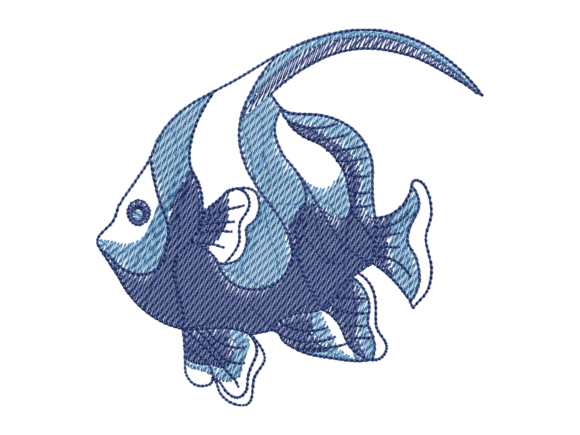
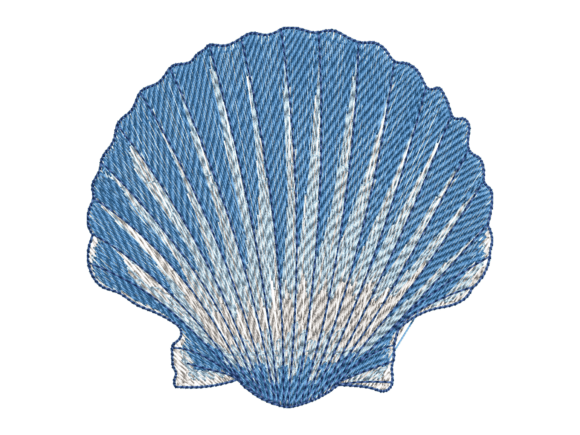
Upon loading the digital embroidery file, the Blue Seashell Embroidery presents a distinct visual character that balances organic softness with structured digitizing. In the context of brand identity, seashells often signal relaxation, nature, and artisanal quality. However, the "blue" specification in the title suggests a cooler, more modern palette rather than a rustic beige. This color direction makes the design particularly suitable for businesses aiming for a clean, fresh aesthetic, such as a seafood bistro, a spa, or a summer apparel line.
From a technical standpoint, the design appears optimized for visibility. The shapes are defined enough to read clearly at various sizes, which is crucial for custom apparel. Unlike highly complex photographic embroidery that can become muddy when scaled down, this shell motif likely relies on satin stitches and fill patterns that maintain integrity. This clarity is essential for establishing customer trust; a crisp, well-defined logo or accent implies professionalism, whereas a poorly digitized design can make a handmade product look amateurish.
Commercial Applications for Small Business Merch
The true value of Blue Seashell Embroidery lies in its versatility across different business touchpoints. Based on the design's structure, here is how it performs in real-world scenarios:
- Embroidered Patches: This is perhaps the strongest use case. The self-contained shape of a seashell is ideal for patch creation. Whether used as a uniform identifier for staff or a collectible add-on for customers, the design translates well to merrowed-edge patches. It serves as excellent design assets for brands wanting modular branding elements.
- Apron Embroidery: For bakeries, florists, and cafes, placing this design on the chest or pocket area of an apron adds a layer of thematic consistency without overwhelming the garment. The blue tone provides sufficient contrast against standard white, black, or denim aprons, ensuring the brand mark remains visible in low-light service environments.
- Tote Bag Design: Canvas totes are a staple for retail and events. The Blue Seashell Embroidery works beautifully as a center chest or bottom-corner accent. Because tote bags often have a rougher fabric texture, the design’s likely use of solid fills helps prevent the weave of the canvas from showing through, maintaining a premium look.
- Cap Embroidery: Headwear requires careful consideration of curve and density. If the design is centered and not overly tall, it can serve as a strong front-panel logo for coastal tourism shops or fishing charters. Note that while categorized under "Fish" in some databases due to its marine association, the shell itself offers a broader appeal that isn't limited strictly to angling brands.
Production Considerations and Technical Constraints
While the design is versatile, experienced embroiderers know that digital perfection does not always equal physical success. When integrating Blue Seashell Embroidery into your production workflow, you must evaluate several technical factors to avoid costly re-runs.
Hoop Size and Scaling Limits
Before purchasing or stitching, verify the native dimensions included in the ZIP or RAR download. While digital files are scalable, pushing a design beyond its intended limits can distort stitch density. If you plan to use this for tiny collar accents or sleeve cuffs, test the minimum size first. Intricate details within the shell ridges may disappear or cause thread breaks if reduced too aggressively. Conversely, enlarging it for a jacket back may require adding underlay to prevent fabric puckering.
Fabric Texture and Stabilizer Selection
The performance of Blue Seashell Embroidery will vary significantly based on the substrate. On smooth cotton twill or polyester performance wear, the design should lay flat and crisp. However, on textured linens or knits commonly used in handmade product lines, you must adjust your stabilizer strategy. A cut-away stabilizer is generally recommended for stretchy fabrics to prevent the shell shape from distorting after washing. Always run a test stitch-out on the exact material you intend to use for the final finished product.
Thread Colors and Contrast
The product description specifies "Blue," but monitor calibration varies. As a professional, I advise checking the actual thread chart included in the file. Ensure the specific shade of blue aligns with your existing corporate colors. Furthermore, consider the background fabric. A navy blue shell on a black shirt will lack definition regardless of stitch quality. High contrast between thread colors and the garment is non-negotiable for effective branding. If your uniforms are dark, you may need to edit the file to a lighter blue or add a white outline border to ensure legibility.
Strategic Branding and Customer Perception
Why choose this specific motif? In the crowded market of Etsy sellers and local boutiques, visual consistency builds recognition. Blue Seashell Embroidery acts as a subtle signifier of niche expertise. For a pet brand specializing in beach gear, it instantly communicates the product's intended environment. For a creative studio, it suggests fluidity and organic inspiration.
Moreover, high-quality embroidery elevates perceived value. Customers associate dense, clean stitching with durability and care. When this design is executed correctly on commercial embroidery projects, it transforms a generic blank garment into a branded asset. This is particularly important for customer gifts and event merch; people keep items that look intentional and well-made. Using a cohesive design like this across multiple platforms—from staff uniforms to packaging accents—reinforces a professional image that fosters buyer engagement and loyalty.
Essential Pre-Production Checklist for Designers
To ensure Blue Seashell Embroidery meets your business standards, follow this practical workflow before committing to bulk production:
- Verify Licensing: Confirm the commercial usage rights immediately upon download. Digital products have no returns, so understanding if you can use this for mass-produced merchandise versus limited handmade runs is vital.
- Create a Printable Mockup: Before stitching, place the design digitally on photos of your actual products. This helps visualize scale and placement relative to seams, pockets, and zippers.
- Test in Black and White: Run a grayscale or single-color test stitch. This reveals the underlying structure and density without the distraction of color blending. If the design looks good in one color, it is structurally sound.
- Check Spacing and Jump Stitches: Inspect the file in your editing software. Excessive jump stitches increase production time and trimming labor. Clean digitizing is key for profitable apron embroidery and uniform runs.
- Wash Test: If this is for workwear or items requiring frequent laundering, wash and dry the sample three times. Check for thread shrinkage, bobbin thread show-through, or stabilizer residue.
- Compare Beside Other Assets: Print the design at actual size and place it next to your current logos. Ensure the visual weight matches your existing brand identity so one element doesn't overpower the other.
Blue Seashell Embroidery represents a valuable addition to the digital library of any coastal, aquatic, or nature-inspired business. By treating this embroidery file as a production component rather than just a decorative graphic, and by adhering to rigorous testing protocols, you can leverage this design to create merchandise that is both beautiful and commercially viable. Remember, since this is an instant download digital product with no refunds, your due diligence in testing and verification is the bridge between a digital file and a successful branded product.