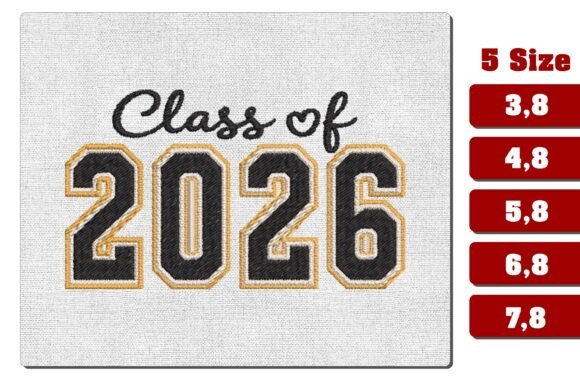
Class of 2026 Varsity Machine Embroidery Review
As an embroidery designer who has stitched out countless graduation themes over the years, I approach every new machine embroidery design with a critical eye. The transition from digital file to physical thread is where the real test lies. When evaluating the Class of 2026 Varsity Machine Embroidery, my primary focus isn't just on how it looks on a screen, but how it performs under the needle and whether it translates into a sellable or giftable product. This design captures that quintessential collegiate aesthetic, but its utility depends entirely on matching the right size to the right substrate.
First Impressions and Visual Hierarchy
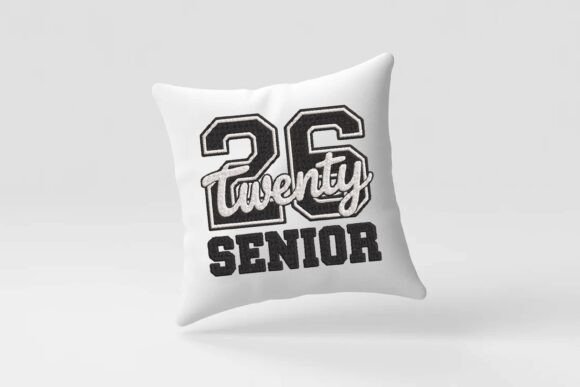
Upon loading the embroidery file into my software, the first thing I assess is the visual weight. Varsity lettering relies heavily on bold, clean lines to communicate authority and tradition. This design succeeds because it respects the negative space necessary for readability. The layout feels balanced, avoiding the cluttered look that often plagues generic graduation assets. For a craft business or Etsy seller, this clarity is vital. Customers browsing thumbnails need to instantly recognize "Class of 2026" without squinting. The design possesses a confident, retro-modern mood that bridges the gap between nostalgic alumni gear and current senior class trends.
Real-World Application: The Sweatshirt Test
To truly judge this asset, I mentally placed it in a specific production scenario: creating a custom crewneck sweatshirt for a high school senior. This is a staple custom apparel project that demands durability and comfort. Using the 6.8-inch or 7.8-inch version of this design would be ideal for center-chest placement on an adult unisex sweatshirt. In this context, the varsity style serves as a strong focal point. However, if I were adapting this for a tote bag design, I would likely opt for the 5.8-inch size to ensure the stitching doesn't overwhelm the canvas or interfere with the bag’s structural seams.
For smaller applications, such as a pocket logo on a polo or a decorative accent on a nursery pillow, the 3.8-inch and 4.8-inch options become relevant. As a reviewer, I appreciate having these graduated sizes included. It saves me from manually resizing, which can distort satin stitch columns and ruin the integrity of the lettering. Having pre-digitized sizes ensures that the stitch density remains consistent across all variations, preserving the professional finish expected in a handmade product.
Fabric Compatibility and Stabilizer Strategy
Varsity designs typically involve significant stitch counts due to dense fill areas and wide satin borders. When working with this Class of 2026 Varsity Machine Embroidery, fabric choice dictates your success. On stable fabrics like denim, canvas, or heavy cotton twill, the design will shine with minimal fuss. These materials support the weight of the thread without puckering. However, caution is required for stretchy knits or lightweight jersey.
If you are planning sweatshirt embroidery on fleece, use a cut-away stabilizer rather than tear-away to prevent distortion during wear and washing. For a baby embroidery project using the smaller sizes on onesies, consider using a soft mesh cut-away or water-soluble topping to keep the stitches from sinking into the fabric pile. Always test your stabilizer combination on scrap material first. A beautiful design can quickly look amateurish if the fabric tunnels around the letters due to inadequate support. This step is non-negotiable for maintaining customer trust and reducing waste in a commercial setting.
Navigating Size Limitations and Detail
While the multiple size options are a major advantage, users must understand the limitations of scaling down varsity styles. The 3.8-inch version is excellent for caps or sleeves, but verify that the internal details of the numerals remain distinct. If the hoop size you select is too tight for the design dimensions, you risk registration issues where the outline doesn't align perfectly with the fill. Always leave adequate margin within your hoop. For those creating embroidered patches, the larger sizes provide enough surface area for clean merrowing or border stitching, whereas the smallest size might require simplification if used as a standalone patch.
Commercial Viability and Product Value
For small shop products and boutique branding, consistency is key. This design offers a cohesive look that can be applied across various merchandise types, from aprons to holiday gifts. When listing items online, high-quality photos of the actual stitched product are far more convincing than digital mockups alone. However, using a printable mockup generated from this file can help gauge interest before committing to production runs. Just ensure your mockup accurately reflects the texture and sheen of the intended thread colors.
The perceived value of a personalized gift increases when the execution is flawless. Buyers associate crisp, dense stitching with quality. Because this design uses standard varsity typography, it pairs exceptionally well with customization. Leaving space below or above the "Class of 2026" text allows you to add individual names or school mascots using a complementary font. This flexibility makes it a versatile asset for commercial embroidery businesses handling bulk orders for graduating classes or reunion committees.
Designer Notes for Best Results
Before adding this to your production queue or digital storefront, run through this practical checklist:
- Verify Licensing: Confirm whether your purchase includes commercial rights for selling finished physical products versus selling the digital embroidery file itself. These licenses are rarely interchangeable.
- Thread Contrast Check: Varsity lettering relies on contrast. Test the design in both light-on-dark and dark-on-light configurations. A white design on a navy sweatshirt reads differently than navy on white; adjust your underlay settings if necessary to prevent show-through.
- Inspect Stitch Types: Open the file in your editing software to identify whether the letters are constructed with satin stitches or fill stitches. Satin stitches offer a classic raised look but have width limits; fill stitches allow for broader letters but change the texture. Knowing this helps you set appropriate machine tension.
- Mockup Testing: Create black and white versions of your product photos to check value contrast. If the design disappears in grayscale, it may lack sufficient definition for quick scrolling on mobile devices.
- Wash Testing: If selling custom apparel intended for frequent use, wash and dry your test sample. Varsity designs can be heavy; ensure the garment doesn't warp after laundering.
Final Verdict for Makers
The Class of 2026 Varsity Machine Embroidery is a robust, versatile asset for the upcoming graduation season. Its strength lies in the provision of five distinct sizes, allowing makers to adapt the design responsibly without compromising digitizing quality. Whether you are an Etsy seller updating your seasonal inventory or a hobbyist making a holiday gift for a future graduate, this design provides a solid foundation. Success ultimately depends on respecting the technical requirements of machine embroidery: proper stabilization, appropriate sizing for the fabric weight, and diligent testing. Treat this design as a professional tool, and it will yield professional results that celebrate the milestone with the dignity and style it deserves.