Cute Bunny Cake Embroidery Patch Review
As a professional embroidery designer constantly sourcing reliable assets for commercial projects, I approach every new machine embroidery design with a critical eye. When browsing the Baby Animals category on Creative Fabrica, the Cute Bunny Cake Embroidery Patch immediately caught my attention. The promise of adding sweetness to creations is appealing, but as someone who produces custom apparel and handmade products for sale, visual appeal is only half the battle. This review evaluates this specific embroidery file from the perspective of real-world production, focusing on stitch integrity, commercial viability, and practical application for Etsy sellers and small business owners.
First Impressions and Design Aesthetics
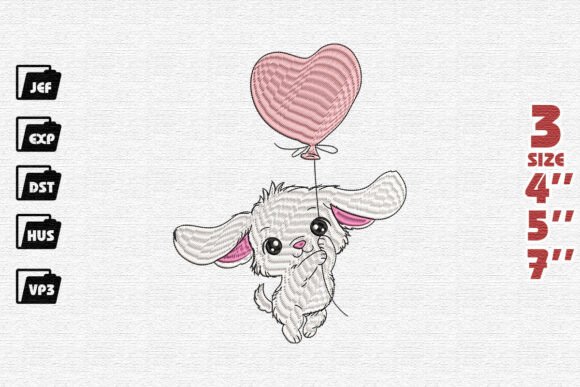
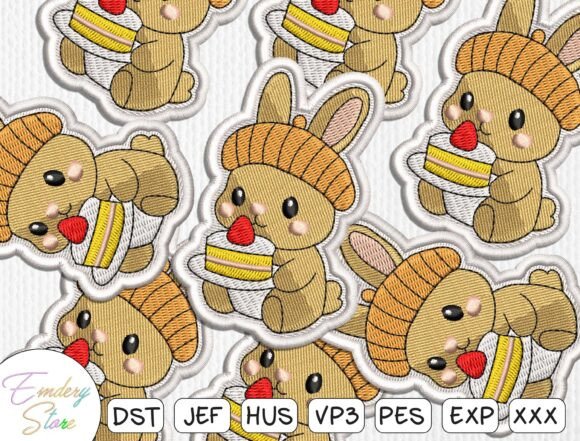
The initial download of this Creative Fabrica embroidery asset reveals a design that balances whimsy with clarity. The cartoon bunny holding a slice of cake possesses a distinct stitching personality; it is not merely a flat image digitized without thought. For designers specializing in nursery decor or children’s personalized gifts, the mood is spot-on. It evokes a sense of nostalgia and playfulness that resonates well with buyers looking for boutique-style merchandise.
However, aesthetic charm must translate to needle and thread. Upon opening the digital embroidery file in my editing software, I looked specifically at how the transition between the bunny’s fur texture and the smooth cake frosting was handled. A high-quality applique design or patch should have clean stop points and logical color changes. This design appears optimized for visual impact without unnecessary complexity, which is crucial when you are running multiple units of sweatshirt embroidery or producing batches of patches for a craft fair.
Performance on Apparel and Accessories
When considering this design for a real customer order, such as a toddler’s denim jacket or a baker’s apron, versatility is key. The Cute Bunny Cake Embroidery Patch is sized appropriately for various applications, but success depends on fabric choice. For tote bag design projects, the structure of canvas or heavy cotton provides an excellent foundation. The design likely utilizes a combination of satin stitch for outlines and fill stitch for the body, which sits beautifully on stable woven fabrics.
For stretchy materials like jersey knits used in baby onesies or sweatshirts, caution is required. Knit fabrics shift during embroidery, potentially distorting cute facial features. If using this embroidered patch design directly on apparel rather than creating a standalone patch, I strongly recommend testing on scrap fabric first. You may need to adjust the stitch density slightly or use a heavier cut-away stabilizer to prevent puckering around the cake slice details. The goal is a finished product that looks professional and withstands wear, not one that warps after the first wash.
Navigating Small Details and Hoop Sizes
One of the most common challenges with cute animal designs is maintaining detail at smaller sizes. Before committing this design to a cap or a pocket logo, verify the minimum hoop size requirements listed in the product details. Reducing a design too much can cause running stitch elements to disappear or satin columns to merge. If your project requires a tiny version for a sleeve cuff, check if the designer included a pre-sized variation or if manual editing is necessary to preserve the bunny’s expression.
Additionally, consider the layering sequence. If this is intended as an iron-on patch, the backing material and border stitching are just as important as the central motif. Ensure your machine can handle the thickness of the patch base plus the decorative stitches. For those creating commercial embroidery items, consistent registration marks are vital. A misaligned eye or a floating piece of cake can ruin buyer trust instantly. Always run a test stitch-out on the exact material you intend to sell before listing the item.
Commercial Value and Brand Consistency
For Etsy sellers and creative entrepreneurs, the value of an embroidery file extends beyond the stitch count. It lies in its ability to elevate your brand. The Cute Bunny Cake Embroidery Patch offers strong potential for seasonal marketing, particularly around Easter, spring birthdays, or bakery-themed events. Because the design has a cohesive style, it pairs well with other Baby Animals or dessert-themed design assets to create a unified collection.
Visual presentation drives sales. When photographing your finished work, ensure the thread colors match the digital preview or offer appealing alternatives. High-contrast threads make the design pop in thumbnail images, while pastel tones convey softness for nursery items. Using a printable mockup can help visualize placement on different garments before hooping, saving time and materials. Remember that customers judge quality based on photos; crisp, well-lit images of the actual stitched patch build significantly more confidence than digital renders alone.
Licensing and Product Integrity
A critical aspect of reviewing any Creative Fabrica embroidery product is understanding the usage rights. Before selling any handmade product featuring this bunny cake motif, meticulously review the license terms provided on the product page. Confirm whether the license covers physical end products, digital redistribution, or mass production limits. Protecting your business means respecting intellectual property and ensuring your commercial embroidery activities remain compliant.
Furthermore, verify the included file formats against your machine’s compatibility. While most modern machines read standard formats like PES, DST, or JEF, always double-check. There is nothing worse than purchasing a design for a rush order only to find your machine cannot read the specific file type. This due diligence is part of maintaining a professional workflow and delivering reliable results to your clients.
Practical Notes for Embroiderers
To get the best results from the Cute Bunny Cake Embroidery Patch, keep these technical considerations in mind during production:
- Stabilizer Selection: Use tear-away stabilizer for stable fabrics like denim or canvas tote bags, but switch to cut-away for knits, fleece, or baby blankets to maintain shape over time.
- Thread Contrast: Test thread colors on both light and dark fabrics. A white outline might vanish on a cream sweatshirt but look stunning on navy blue. Adjust your palette based on the base garment color.
- Density Check: Inspect the stitch density in your software. If the design feels too bulletproof or stiff, reduce the density slightly for softer drape on baby items. If gaps appear, increase underlay stitches.
- Needle Choice: Use a sharp needle (75/11) for tightly woven fabrics and patches to ensure clean penetration. Switch to a ballpoint needle for knits to avoid cutting fibers and causing runs.
- Wash Testing: If selling kitchen towels or aprons, wash and dry your test sample. Ensure the satin stitch borders hold up and the applique edges do not fray. Durability equals repeat customers.
- Mockup Verification: Compare your physical stitch-out against the printable mockup or digital art. Discrepancies in color or proportion should be addressed before bulk production.
Final Thoughts for Makers
The Cute Bunny Cake Embroidery Patch represents a charming addition to the Baby Animals niche, offering genuine potential for custom apparel, nursery decor, and seasonal gifts. Its success in your shop will depend largely on your technical execution and understanding of fabric behavior. By treating this digital embroidery file as a starting point rather than a guaranteed outcome, and by applying professional testing protocols, you can transform a sweet digital design into a high-value, tangible product that delights customers. Always prioritize quality control and licensing compliance to build a sustainable, trustworthy handmade business.