Dill Pickle Lover Embroidery Design Review
As a professional embroidery designer preparing for the upcoming weekend craft fair season, I am constantly evaluating which digital assets will translate best into physical sales. When reviewing the Dill Pickle Lover Embroidery Design, my immediate assessment focuses on its viability as a high-turnover craft fair product. This design is not merely a graphic; it is a potential revenue stream for handmade shop owners and Etsy sellers looking to capture the niche market of quirky kitchen aesthetics. The description highlights this as an easy project suitable for college dorms or home kitchens, which signals to me that the complexity level is accessible for batch production while retaining enough charm to justify a premium price point at a market booth.
First Impressions and Market Positioning
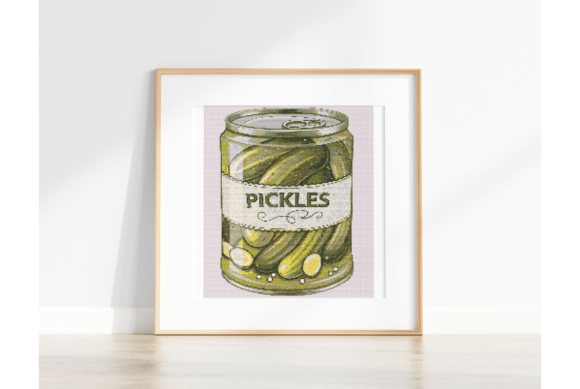
Upon analyzing the concept behind the Dill Pickle Lover Embroidery Design, the aesthetic leans heavily into modern farmhouse and whimsical cottagecore trends. It strikes a balance between nostalgic rustic vibes and contemporary humor. For a boutique maker or creative entrepreneur, this specific mood is gold. It avoids being overly juvenile, making it appropriate for adult buyers who appreciate functional art, yet it remains playful enough to attract younger demographics furnishing their first apartments. As a cross stitch pattern converted for embroidery applications, it carries an inherent texture that machine embroidery mimics beautifully. The visual weight of a pickle motif suggests bold outlines and solid fill areas, which typically photograph exceptionally well for online listings and printable mockups. In a crowded market booth, this type of distinct, recognizable imagery stops traffic faster than abstract florals because it triggers an immediate emotional connection through food nostalgia and humor.
Best Selling Applications for Craft Fairs
Determining where to apply this design is crucial for maximizing ROI. Based on the "kitchen and dorm" positioning, I have identified several high-potential vessels for this artwork:
- Tea Towel Embroidery: This is the primary candidate. Flour sack towels or waffle-weave cotton provide the perfect canvas. The design serves as a focal point without overwhelming the fabric's utility.
- Apron Embroidery: Placing the Dill Pickle Lover Embroidery Design on the chest pocket area of a canvas apron creates an instant conversation starter. Aprons are high-value items at craft fairs, and this design adds perceived value without requiring excessive stitch time.
- Tote Bag Design: Market bags and grocery totes align perfectly with the pickle theme. Shoppers love thematic consistency; carrying vegetables in a pickle-themed bag is the kind of meta-humor that drives impulse purchases.
- Embroidered Patch: For vendors who want to offer a lower price point entry item, converting this design into a patch allows customers to customize their own denim jackets or backpacks. This expands your customer base to those who may not need a full kitchen textile.
- Fabric Pouches: Small zipper pouches for makeup or utensils utilize smaller hoop sizes efficiently, allowing you to use up scrap fabric while creating giftable handmade products.
Production Practicality and Batch Efficiency
For commercial embroidery and small shop product lines, time is money. The description notes this is an "easy embroidery project," which implies manageable stitch counts and straightforward color changes. When preparing for a fair, I look for designs that allow for multi-hooping or gang-running. If the Dill Pickle Lover Embroidery Design fits within a standard 4x4 or 5x7 hoop size, it becomes a production powerhouse. You can stitch out multiple tea towels in a single session without constant re-hooping. Furthermore, the instant PDF pattern aspect suggests clear charting, which helps when troubleshooting alignment issues during digitization or stitching. For Etsy sellers, this ease of translation means you can quickly create finished product photos and digital embroidery file listings simultaneously, diversifying your income streams from one asset.
Critical Technical Considerations for Makers
While the design promises ease, experienced embroiderers know that vegetable motifs present unique challenges. Before listing any finished product, you must evaluate the stitch density. Pickles often require textured fills to mimic bumps and sheen. If the density is too high on a lightweight tea towel, you risk puckering or fabric distortion. Conversely, if the density is too low on a textured terry cloth towel, the design may sink into the pile and lose definition. Always test the embroidery file on the exact substrate you intend to sell. Stabilizer choice is non-negotiable here; a medium-weight cutaway is often safer than tear-away for kitchen textiles that will face frequent washing. Additionally, check small lettering if the design includes text like "Dill Pickle Lover." Tiny serif fonts can become illegible on coarse fabrics. If the details are too fine, consider simplifying the design assets for smaller applications like caps or patches to maintain clarity and professional quality.
Visual Merchandising and Customer Engagement
The success of a handmade product at a craft fair often depends on how it is displayed. The Dill Pickle Lover Embroidery Design benefits from thematic staging. Do not just fold the tea towels; hang them on vintage wooden pegs or drape them over ceramic crocks. The bold nature of the graphic allows it to be seen from a distance, acting as signage for your booth. For digital sellers and Etsy shop owners, the visual appeal translates through lifestyle photography. A flat lay of the embroidered item alongside actual pickles, mason jars, or fresh dill reinforces the aesthetic and boosts SEO relevance. This design’s inherent personality encourages buyer engagement; customers often share photos of funny or cute kitchen finds on social media, providing free marketing for your brand. Ensure your booth display strength matches the vibrancy of the thread colors used in the sample. High-contrast threads against neutral fabrics tend to perform best in outdoor or dimly lit indoor markets.
Designer Notes for Commercial Success
Before launching this design as a core part of your inventory, adhere to these professional protocols to ensure brand consistency and legal compliance:
- Verify Licensing: Even though you downloaded the instant PDF pattern, confirm the commercial licensing terms specifically for selling finished physical products versus the digital embroidery file itself. Protect your business by understanding usage rights.
- Create Real Mockups: Never rely solely on digital renders. Stitch at least one physical sample to verify thread contrast and spacing. Digital previews can be deceiving regarding scale and color accuracy.
- Test Wash Durability: Kitchen items get dirty. Wash and dry your sample using harsh detergents to ensure the stitch density holds up and the stabilizer does not degrade. A returning customer due to poor durability is a loss you cannot afford.
- Optimize Thread Colors: Review the palette against current market trends. While traditional pickle green is expected, consider offering a variation in trendy sage or olive tones to appeal to modern farmhouse buyers.
- Check Hoop Compatibility: Confirm the design dimensions fit your machine’s capabilities before committing to bulk fabric purchases. Adjusting a design later can alter stitch density and ruin the intended aesthetic.
Ultimately, the Dill Pickle Lover Embroidery Design represents a smart intersection of trend-awareness and production practicality. Whether you are stitching out aprons for a Saturday market or listing digital files for passive income, this design offers the versatility and charm necessary to convert browsers into buyers. By respecting the technical requirements of fabric texture and stabilizer selection, you elevate this simple graphic into a premium handmade product that stands the test of both wash cycles and changing trends.