Dragon Fruit Embroidery Design: A Practical Review
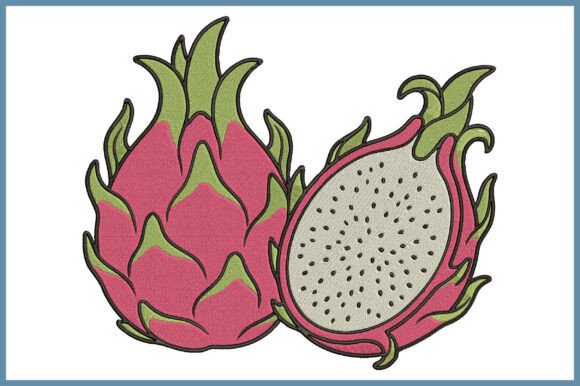
As a professional embroidery designer and product reviewer, I approach every new machine embroidery design with a critical eye. It is not enough for a digital file to look vibrant on a screen; it must translate into physical stitches that hold up to washing, wearing, and customer scrutiny. When evaluating the Dragon Fruit Embroidery Design, my primary focus is on how this tropical motif performs in real-world production environments. This design features both whole and sliced views of the pitaya fruit, offering a unique visual duality that appeals to makers creating food-themed merchandise. However, the true test lies in stitch clarity, fabric compatibility, and commercial viability for small business owners and Etsy sellers.
First Impressions and Visual Personality
Upon opening the embroidery file, the immediate impression is one of freshness and organic complexity. Dragon fruit is visually distinct due to its bright pink skin, green scales, and speckled white or red flesh. From a digitizing perspective, this presents both an opportunity and a challenge. The design captures a playful yet sophisticated mood that fits perfectly within modern botanical and culinary aesthetics. Unlike generic fruit clip art, this layout feels intentional, balancing the roundness of the whole fruit with the intricate texture of the slice.
For creative entrepreneurs, this visual personality suggests specific market niches. It does not feel childish, which makes it suitable for adult custom apparel and home decor rather than just nursery items. The composition implies a level of detail that requires careful attention during the stitching process. If you are curating a collection of tropical designs for a summer boutique launch or a farmers' market stall, this piece serves as a strong anchor because of its recognizable silhouette and vibrant color potential.
Real-World Application: The Tote Bag Test
To truly evaluate this design, I mentally placed it in a production scenario involving a heavy canvas tote bag design. Tote bags are a staple for Etsy seller inventory and make excellent personalized gift items. In this context, the Dragon Fruit Embroidery Design needs to withstand the texture of canvas while remaining legible from a distance.
In a real-life application, I would pair this design with natural unbleached cotton canvas. The contrast between the earthy fabric and the neon pinks and greens of the pitaya creates a high-end, artisanal look. For a handmade product like this, the inclusion of both the whole and sliced fruit adds narrative value; customers appreciate the extra detail that showcases the inside of the fruit. When stitching on canvas, the stitch density becomes crucial. The design must be dense enough to cover the fabric weave but not so dense that it causes puckering or needle breaks. This specific layout allows for strategic placement where the whole fruit can act as a focal point, perhaps centered on the bag, while the slice could be repositioned to a pocket or corner for a more dynamic composition.
Navigating Fabric Textures and Stabilizer Choices
While canvas is forgiving, this design demands caution when applied to other substrates. As an experienced reviewer, I must emphasize that tropical motifs often involve gradient fills and intricate outlines that can fail on unstable fabrics.
- Stretchy Fabrics: If applying this to a t-shirt or sweatshirt, a cut-away stabilizer is non-negotiable. The weight of the fill stitches on the dragon fruit scales can distort knit fabrics if not properly supported.
- Textured Surfaces: On tea towels or linen, the fine details of the seeds in the sliced view may get lost. Consider using a water-soluble topping to keep the stitches crisp and prevent them from sinking into the fabric grain.
- Dark Fabrics: The vibrancy of dragon fruit relies on high contrast. On black or navy garments, ensure your thread colors are saturated enough to pop. You may need to add an underlay base to prevent the dark fabric from showing through lighter pink or white stitches.
For baby embroidery projects, such as bibs or onesies, verify that the back of the embroidery is smooth. Dense fill areas can be scratchy against sensitive skin. Using a soft backing or adjusting the digitizing to reduce jump stitches will improve the comfort and quality of the finished product.
Commercial Viability for Makers and Sellers
For those running a craft business or selling design assets, versatility is key. The Dragon Fruit Embroidery Design offers significant value because it bridges multiple categories. It works as a standalone graphic for commercial embroidery on aprons and chef coats, but it also functions beautifully as part of a larger pattern for pillow covers or quilts.
When creating printable mockups for digital listings, this design photographs exceptionally well due to its bold color palette. Buyers scrolling through feeds are drawn to high-contrast imagery. However, professionalism dictates transparency. Always photograph actual stitched samples alongside digital previews. Customers trust sellers who show how the satin stitch borders and fill stitch textures actually render on fabric. This builds confidence and reduces returns.
If you are producing embroidered patch merchandise, this design is ideal. The defined edges of the fruit allow for clean merrowed borders or hot-cut finishing. Patches are a growing market for apparel decorators, and food themes remain evergreen. Just ensure you check the licensing terms of your digital embroidery file before mass-producing patches for sale, as commercial rights vary by digitizer.
Critical Designer Notes and Pre-Stitch Checklist
Before committing this design to a final project or listing it in your shop, adhere to these practical evaluation steps. Skipping these can lead to wasted materials and disappointed clients.
- Test Stitch on Scrap: Never run this design directly on a final garment without testing. Use a scrap of the exact fabric and stabilizer combination you intend to use. Check for registration issues between the outline and the fill.
- Verify Hoop Size: Confirm the dimensions fit your machine’s capabilities. If resizing is necessary, do so within safe limits. Drastic reduction can cause the seeds in the sliced view to become indistinguishable clumps of thread.
- Thread Color Validation: Screen colors are deceptive. Pull physical thread spools and compare them to the design chart. Dragon fruit has subtle gradients; ensure your machine can handle the color transitions smoothly without excessive trims.
- Check Small Details: Inspect the smallest elements of the design. If the tips of the dragon fruit scales are too thin, they may fray. Adjusting the stitch angle or width in your editing software might be necessary for longevity.
- Wash Test: For items like kitchen towels or holiday embroidery gifts that will see frequent laundering, wash and dry your test sample. Ensure the design does not shrink, pucker, or bleed color.
Elevating Product Value Through Intentional Design
The difference between a hobbyist project and a premium small shop product often lies in the execution of complex designs like this one. The Dragon Fruit Embroidery Design has the potential to elevate your brand perception because it moves beyond basic monograms and simple icons. It signals to buyers that you offer curated, aesthetically pleasing goods.
However, this elevation only happens when technical execution matches artistic intent. Pay attention to the interplay of light and shadow in the digitizing. Does the running stitch detailing enhance the shape, or does it distract? Is the applique design element (if included) secure and neat? These micro-decisions define the quality of your work.
Ultimately, this design is a robust asset for makers willing to put in the preparation work. Whether you are stitching a custom denim jacket for a client, creating a line of tropical tote bags for a summer market, or designing nursery decor for an online boutique, the Dragon Fruit Embroidery Design delivers visual impact. By respecting the technical requirements of the file and understanding its best applications, you transform a digital download into a tangible, sellable product that resonates with customers seeking fresh, handmade quality.