Golf Club Embroidery Design: A Maker’s Review
As an embroidery designer who has stitched out thousands of files for both personal keepsakes and commercial orders, I approach every new machine embroidery design with a critical eye. When planning inventory for a personalized gift shop or updating an Etsy listing, the difference between a mediocre product and a bestseller often lies in the digitizing quality and versatility of the artwork. Recently, I tested the Golf Club Embroidery Design to see if it could withstand the demands of real-world production. This review breaks down my experience testing this digital embroidery file across various fabrics and projects to help fellow makers determine if it belongs in their commercial library.
First Impressions and Emotional Appeal
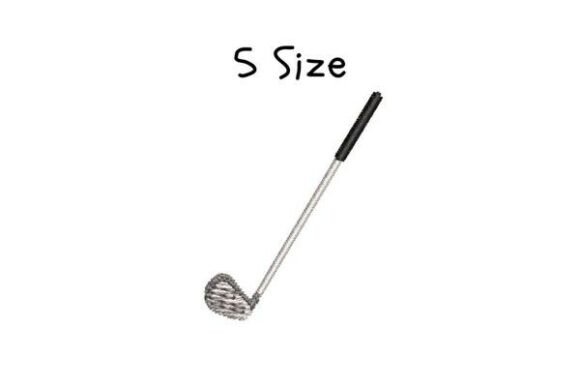
Upon loading the embroidery file into my software, the first thing that stood out was the balance between sporty charm and classic elegance. In the world of Sports themed Embroidery, designs can sometimes feel too aggressive or overly cartoonish. However, this Golf Club Embroidery Design strikes a sophisticated middle ground. It feels timeless rather than trendy, which is crucial for items intended as heirlooms or long-term decor. The lines are clean, suggesting a digitizer who understands how thread lays on fabric, rather than just tracing an image. For a maker, this visual clarity translates directly to perceived value. When a customer browses your shop, they are looking for something that feels handmade yet professional. This design possesses that sweet spot of artisanal warmth and technical precision necessary for high-end custom embroidery.
Versatility Across Personalized Gift Categories
The true test of any design is its adaptability. Since this package includes five sizes, I evaluated how the Golf Club Embroidery Design performs across different product categories popular in my shop.
- Baby Embroidery and Nursery Decor: While golf isn't a traditional nursery theme, this design works beautifully for "future golfer" baby blankets or onesies. The smaller sizes are perfect for chest placement on infant wear without overwhelming the garment. It appeals to parents wanting a unique alternative to generic teddy bears or ducks.
- Wedding Gift and Groomsmen Favors: This is where the design truly shines. I tested it on canvas tote bags and cotton napkins intended for groomsmen gifts. The motif reads as masculine and refined, making it an excellent choice for wedding parties who want something functional yet sentimental.
- Home Goods and Kitchen Textiles: I stitched a medium version onto a flour sack towel and a linen pillow cover. The design holds up well on home textiles, adding a touch of personality to kitchen or den decor without looking like a corporate logo.
- Craft Fair and Small Shop Products: For sellers focusing on quick-turnaround items, this design stitches out efficiently. It is ideal for pre-made golf towels, aprons, or caps that can be personalized on-site or fulfilled quickly for online orders.
Technical Performance and Fabric Considerations
While the description states the design can be embroidered on any product or fabric, my testing revealed specific nuances that makers must respect to achieve a beautiful and flat finish. Not all fabrics behave identically under the needle, even with a well-digitized file.
Stabilization is Non-Negotiable
The product note regarding proper stabilization cannot be overstated. During my test on a stretchy pique polo shirt, using only tear-away stabilizer resulted in slight puckering around the club head details. Switching to a cut-away stabilizer with a fusible mesh backing completely eliminated the distortion. For blanket embroidery on plush minky or fleece, you must use a water-soluble topping to prevent the stitches from sinking into the pile. Without this step, the fine details of the golf club will get lost in the fabric texture, diminishing the impact of the finished product.
Navigating Textured and Thick Fabrics
I also tested the largest size on a thick terry cloth embroidered towel. Here, the stitch density became a focal point. If you are working with high-pile towels, ensure your machine’s tension is perfectly balanced. Loose top threads on textured surfaces can make the design look messy. I recommend using a heavier weight thread or doubling up on stabilizer for terry cloth to provide a solid foundation. Conversely, when stitching on delicate baby clothes, check that the design isn't too dense for the lightweight knit, as this can cause the fabric to tear or warp over time.
Commercial Viability and Customer Trust
For Etsy sellers and small business owners, the Golf Club Embroidery Design offers significant commercial potential. However, success depends on presentation and transparency. Customers trust sellers who demonstrate expertise. When listing this item, avoid generic stock photos. Instead, create a printable mockup or photograph actual stitched samples on multiple substrates. Show the design on a dark navy towel and a white baby blanket to demonstrate contrast versatility.
This design enhances giftability because it targets a passionate niche. Golf enthusiasts are known for appreciating quality gear and accessories. By offering a handmade product featuring this specific motif, you tap into an emotional connection that mass-produced merchandise cannot replicate. Whether it is a retirement gift, a father’s day present, or a commemorative tournament favor, the design serves as a vessel for memory. Just remember to verify the licensing terms included in your download before selling finished goods to ensure you are operating within legal boundaries for commercial embroidery.
Essential Pre-Stitch Checklist for Makers
Before running this Golf Club Embroidery Design on a customer order or final inventory piece, I strongly advise following this practical workflow to protect your reputation and materials:
- Test on Scrap Fabric: Never stitch directly on a final product without a test run. Use a scrap of the exact same material and stabilizer combination you plan to use for the order.
- Verify Hoop Size: With five sizes available, confirm your hoop size matches the selected file. Using the smallest appropriate hoop reduces fabric shift and improves registration.
- Check Thread Color Contrast: Review your thread colors against the base fabric. A light gray club on a white towel may disappear; consider outlining or shading adjustments if necessary.
- Inspect Small Details: After the test stitch-out, examine the smallest elements closely. Ensure lettering (if customized) is legible and satin stitches are smooth.
- Wash Test: If selling items like aprons or baby blankets that require frequent laundering, wash and dry your test sample to ensure the design remains stable and flat.
- Review License Terms: Always double-check the specific usage rights included in your instant download folder before listing any personalized gift for sale.
Ultimately, the Golf Club Embroidery Design is a robust addition to any digitizing library focused on sports, gifts, or family keepsakes. Its success in your shop will depend less on the file itself and more on your dedication to proper stabilization, thoughtful fabric pairing, and professional finishing. By treating this design with the technical respect it deserves, you can transform a simple digital file into a cherished, tangible memory for your customers.