One Line Art Ballerina Embroidery Review
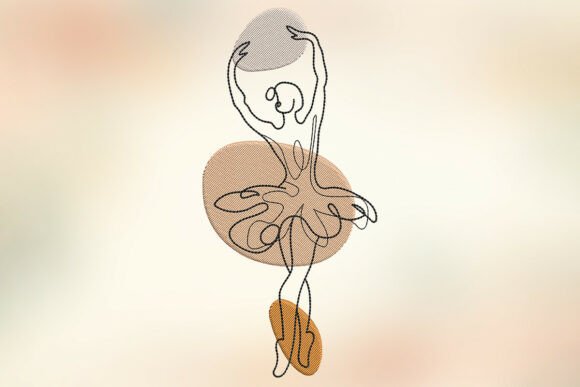
As an embroidery designer who has spent years testing files before they ever touch a customer’s order, I approach every new machine embroidery design with a mix of excitement and caution. When I first loaded the One Line Art Ballerina Embroidery file into my software, I was immediately struck by its deceptive simplicity. This isn't just another dance motif; it is a study in continuous motion. The abstract line-art style captures a high pose that feels both classical and thoroughly modern. For those of us running personalized gift shops or Etsy businesses, this design represents a specific niche: the elegant minimalist. It avoids the clutter of traditional fill stitches, relying instead on the confidence of a single, unbroken path to convey the poise of a dancer.
First Impressions and Emotional Resonance
The mood of this design is undeniably sophisticated yet tender. In my initial review, the One Line Art Ballerina Embroidery struck me as having a "quiet luxury" appeal. Unlike dense, cartoonish ballet designs often seen in children's wear, this silhouette feels artistic and mature. It evokes a sense of calm grace rather than frantic energy. For a handmade product, this emotional tone is critical. Customers aren't just buying a picture of a ballerina; they are buying a feeling of nostalgia, discipline, and beauty.
From a technical standpoint, the continuous line concept is brilliant for production efficiency, but it demands precision. There is no room for error when the entire design relies on one fluid movement. As I examined the nodes and stitch path, I appreciated the lack of unnecessary trims. This makes the design exceptionally clean on the backside, which is a major selling point for items like blanket embroidery or pillow covers where the reverse side might be visible or felt against skin.
Ideal Applications for Personalized Gifts
When planning inventory or custom orders, versatility is key. I tested this design across several potential products to see where it truly shines. The One Line Art Ballerina Embroidery is a powerhouse for specific gifting occasions:
- Nursery Decor and Baby Blankets: While the design is abstract, it reads beautifully in soft pinks, creams, or muted sages on nursery textiles. Because it lacks heavy density, it keeps baby embroidery soft and flexible, avoiding that stiff "bulletproof vest" feel that dense designs can create on delicate fabrics.
- Wedding Keepsakes: This is perhaps the strongest use case. Imagine this stitched in metallic gold or silver thread on a linen ring bearer pillow or a bride’s denim jacket. The elegance of the high pose translates perfectly to romantic, adult-oriented gifts.
- Kitchen and Bath Linens: I tested this on a flour sack towel, and the result was stunning. The open nature of the line art allows the fabric texture to breathe. It elevates a simple embroidered towel from a utility item to a boutique-worthy accessory.
- Tote Bags and Aprons: For dance moms or instructors, this design offers a subtle way to show passion without being loud. It works exceptionally well as a chest logo or centered motif on canvas totes.
For Etsy sellers and small shop owners, this design bridges the gap between child-focused dance merchandise and adult home decor, effectively doubling your potential customer base.
Technical Considerations and Fabric Warnings
However, minimalism in custom embroidery requires maximum attention to detail. During my test runs, I identified several scenarios where caution is necessary. The One Line Art Ballerina Embroidery is unforgiving on certain substrates because there is no background fill to hide imperfections.
Textured and Pile Fabrics: Be extremely careful with thick terry cloth or high-pile towels. A single running stitch or satin column can easily get lost in the loops. If you plan to use this on plush fabrics, you must use a water-soluble topping to keep the stitches crisp. Without it, the delicate lines of the dancer’s limbs may disappear visually.
Stretchy Knits and Baby Clothes: While the low density is great for softness, the continuous line can distort if the fabric stretches during hooping. For onesies or stretchy knits, I recommend using a fusible cutaway stabilizer rather than a tear-away. The permanent support prevents the long lines from puckering after washing.
Dark Fabrics and Contrast: This design relies entirely on contrast. On dark navy or black fabric, ensure your thread colors are vibrant enough to stand out. Pastel threads on dark backgrounds can sometimes look muddy or weak. Always run a contrast check before committing to a final finished product.
Elevating Perceived Value and Customer Trust
In the world of commercial embroidery, perceived value drives pricing. The One Line Art Ballerina Embroidery naturally commands a higher price point than generic clip-art designs because it looks bespoke. When photographing your samples for listings, focus on the negative space. The airiness of the design suggests high-end craftsmanship.
For digital product sellers offering the embroidery file directly, transparency builds trust. Clearly state the recommended hoop size and optimal fabric types in your listing description. Since this is a specialized line-art design, providing a printable mockup showing the design on both light and dark backgrounds helps buyers visualize the outcome. Remind customers to verify their machine’s compatibility and licensing terms before purchasing, especially if they intend to sell physical goods featuring this motif.
Practical Testing Checklist for Makers
Before listing any item featuring this design or selling the file itself, I strongly advise running through this practical checklist. Skipping these steps is the most common reason for poor results with line art:
- Test on Scrap Fabric: Never stitch this directly onto a final product without a test run. Use a scrap of the exact material you intend to sell.
- Check Stitch Density: Verify that the line weight is appropriate for your chosen fabric. If stitching on silk or organza, the standard density might be too heavy; if stitching on denim, it might be too light.
- Review Stabilizer Pairing: Match your stabilizer to the drape of the fabric. A stiff tear-away will ruin the flow of a line-art ballerina on a flowing tote bag.
- Inspect Small Details: After stitching, check the extremities of the dancer. Are the hands and feet defined? Do the lines connect smoothly? Registration issues are obvious in one-line designs.
- Confirm Licensing: If you are a business owner, double-check the commercial license included with the digital embroidery file. Ensure you have the right to sell finished products or modify the design for custom orders.
Final Thoughts for Business Growth
The One Line Art Ballerina Embroidery is more than just a pretty picture; it is a strategic asset for embroidery businesses focusing on quality over quantity. Its ability to transition seamlessly from a sweet nursery accent to a chic wedding keepsake makes it a valuable addition to any design library. By respecting the technical requirements of line art and pairing it with the right fabrics, you can create personalized gift items that resonate deeply with buyers. Whether you are crafting for a local craft fair or fulfilling international Etsy orders, this design offers the perfect blend of artistic expression and commercial viability. Remember, in minimalist embroidery, every stitch tells a story—make sure yours is clear, confident, and beautifully executed.