Penguin Patch Embroidery Design: A Business Review
As an embroidery designer who specializes in commercial merchandise and branded assets, I approach every new machine embroidery design with a critical eye toward production viability. When evaluating the Penguin Patch Embroidery Design for small business applications, my primary focus is not just on its undeniable cuteness, but on how it translates from a digital screen to a tangible, sellable product. This review assesses the design specifically for entrepreneurs, Etsy sellers, and local shops looking to integrate this baby penguin duo into their brand identity and product lines.
First Impressions: Visual Personality and Commercial Appeal
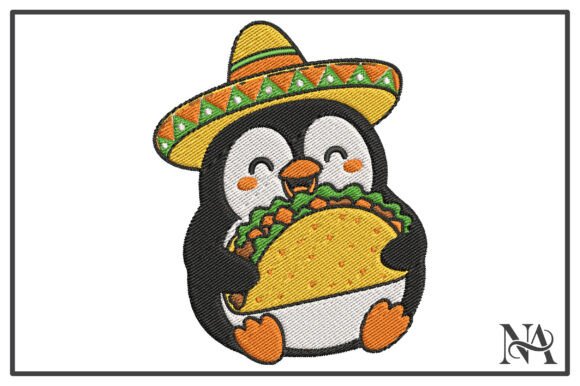
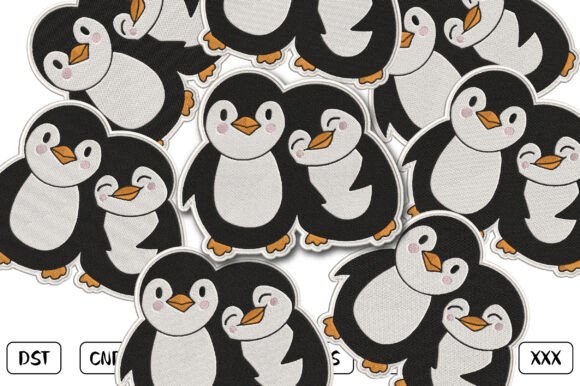
The Penguin Patch Embroidery Design immediately strikes a balance between playful charm and professional clarity. Featuring a parent-style penguin alongside a baby, the composition suggests warmth, care, and community. For businesses in the Wild Animals category or those with a family-centric ethos, this imagery communicates trust without needing text. From a technical design perspective, the pairing of two figures creates a natural focal point that works exceptionally well for embroidered patch production. The silhouette appears distinct enough to remain recognizable even when scaled down, which is a non-negotiable requirement for small business merch like hat clips or sleeve accents.
Unlike overly complex illustrative files that can become muddy when stitched, this design seems optimized for the medium of Embroidery. The interaction between the adult and baby penguin provides an emotional hook that elevates a simple logo into a storytelling element. For a bakery, florist, or handmade soap brand, this visual narrative implies "handmade with love," directly supporting the perceived value of the finished product.
Real-World Applications for Small Business Merchandise
Versatility is the hallmark of a profitable digital embroidery file. In testing scenarios for various business types, the Penguin Patch Embroidery Design demonstrates strong adaptability across multiple substrates. Here is how it performs in specific commercial contexts:
- Café and Bakery Staff Uniforms: Placed as a left-chest accent on aprons or polo shirts, the penguin duo adds personality to staff attire without compromising professionalism. It serves as a friendly icebreaker for customer service interactions.
- Boutique Tote Bags: As a center chest or pocket placement on canvas tote bags, the design acts as a walking billboard. The organic shapes of the penguins complement the natural drape of cotton and linen fabrics better than rigid geometric logos.
- Winter Event Merchandise: For seasonal pop-ups or holiday markets, this design is ideal for beanies and scarves. The thematic relevance increases the impulse-buy factor for custom apparel during colder months.
- Product Packaging Accents: Beyond apparel, consider stitching this onto fabric tags for pet products or children’s items. It reinforces the handmade product aesthetic and justifies premium pricing through added detail.
- Cap Embroidery: The vertical stacking potential of a parent-and-baby motif often fits the curved front panel of caps better than wide, horizontal designs, reducing distortion risks.
Technical Considerations and Production Limitations
While the aesthetic is strong, successful commercial embroidery requires respecting physical limitations. When using the Penguin Patch Embroidery Design, operators must be mindful of where the design might fail if pushed too far. Small patch sizes are the most common pitfall. If the baby penguin contains intricate facial details or tiny beak stitches, scaling the design below 2 inches may result in thread breaks or loss of definition. Always verify the minimum recommended size before committing to bulk production.
Fabric texture also plays a massive role in the outcome. On high-pile fabrics like fleece or terry cloth (common in towels and hoodies), the fine details of the penguins can get lost. You must use appropriate topping stabilizer to ensure the stitches sit on top of the nap rather than sinking in. Conversely, on structured items like caps, the curvature can distort circular elements. Test sew-outs on the actual cap structure, not just flat fabric, to ensure the penguins do not appear stretched or misaligned in the final run.
Furthermore, consider the washing requirements of your target merchandise. If this design is intended for children’s clothing or café aprons that face industrial laundering, check the stitch density. Overly dense fill stitches can cause puckering on lightweight fabrics after repeated wash cycles. Adjusting pull compensation or using a lighter fill pattern may be necessary to maintain the integrity of the embroidery file over the garment's lifespan.
Impact on Brand Identity and Customer Engagement
Incorporating the Penguin Patch Embroidery Design into your inventory is more than a decorative choice; it is a strategic branding move. Consistent use of this motif across design assets builds visual recognition. When customers see the penguin duo on your staff uniforms, packaging, and social media printable mockup posts, they begin to associate that image with your specific quality standards.
For Etsy sellers and craft business owners, this design helps bridge the gap between amateur crafting and established brand presence. High-quality embroidery signals investment and permanence. Unlike printed vinyl that peels over time, a well-executed embroidered patch implies durability. This tactile quality enhances buyer engagement and fosters trust. Additionally, the universal appeal of penguins makes this design safe for diverse demographics, minimizing the risk of alienating potential customers while maximizing the reach of your apron embroidery or accessory line.
Essential Designer Notes for Pre-Production Testing
Before running a full production batch, adhere to this professional checklist to ensure the Penguin Patch Embroidery Design meets commercial standards:
- Verify Licensing: Confirm that your purchase includes commercial usage rights. Personal licenses do not cover selling merchandise featuring the design.
- Check File Specifications: Review the included documentation for exact stitch count, hoop size requirements, and color changes. Do not assume standard sizing.
- Perform Contrast Tests: Stitch the design in black and white first. This reveals whether the internal details rely solely on color contrast or if they are defined by stitch direction and texture.
- Validate Stabilizer Pairing: Test on both light and dark fabrics. Ensure you are using the correct backing weight to prevent registration errors between the outline and fill stitches.
- Create Client Mockups: Use a realistic printable mockup to show clients exactly how the penguins will look on their chosen merchandise before hooping a single shirt. This manages expectations regarding size and placement.
- Assess Thread Colors: Compare your thread palette against the design chart. Slight variations in sheen or tone can drastically change the mood from "cute" to "cartoonish." Select matte or rayon threads based on the desired finish.
- Compare Beside Other Assets: Place the penguin design next to your existing text logos or icons. Ensure the visual weight matches so one element does not overpower the other on combined merchandise.
By treating the Penguin Patch Embroidery Design as a functional business asset rather than just a cute graphic, you unlock its full potential for revenue generation. Whether applied to a boutique tote bag design or a staff uniform, success lies in respecting the technical constraints of the medium while leveraging the emotional connection the design offers. Always prioritize test sew-outs and fabric-specific adjustments to ensure your branded merchandise reflects the highest standard of professional embroidery.