Reviewing Appliqué Train Embroidery for Boutique Apparel
As an embroidery designer tasked with curating a limited-edition sweatshirt drop for a small boutique brand, I approach every new machine embroidery design with a critical eye. We are not just looking for cute graphics; we are evaluating structural integrity, aesthetic value, and commercial viability. When reviewing the Appliqué Train Embroidery file for our upcoming collection, my primary focus was determining if this design could transition from a standard nursery motif to a premium apparel element that resonates with modern parents and gift-givers.
The product description promises a design that is "exquisitely lightweight due to the clever integration of quality fabrics." For those of us in commercial embroidery, this is the most crucial selling point. Heavy, dense designs on sweatshirts can cause fabric puckering, drape issues, and discomfort. A lightweight appliqué approach suggests a sophisticated understanding of garment construction, making this embroidery file a strong candidate for high-end custom apparel.
First Impressions: Mood and Stitch Personality
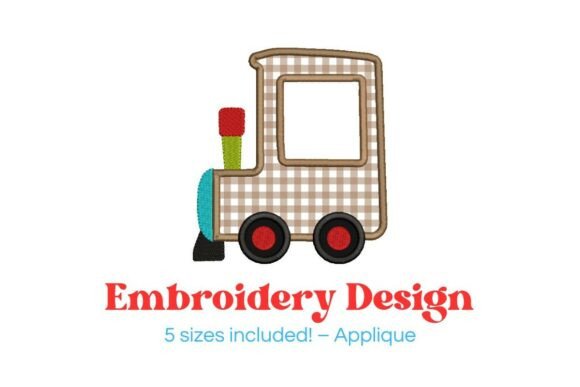
Upon loading the Appliqué Train Embroidery into my software, the first impression is one of balanced playfulness. While the category is listed as Toys, the execution feels distinctly decorative and suitable for fashion. The layout avoids the cluttered look often found in novice digitizing. Instead, it offers clean lines and intentional negative space that allows the base fabric to breathe.
For a boutique brand, the mood strikes the right chord between nostalgic and contemporary. It does not feel overly cartoonish, which expands its demographic appeal. On neutral sweatshirts like oatmeal, sage, or slate grey, the design reads as rustic and cozy. Conversely, when tested against pastel pink or butter yellow backgrounds, it shifts toward a sweeter, more feminine aesthetic without losing its boldness. This versatility is essential for Etsy sellers and small shop products where inventory depth is limited, and each design must perform across multiple colorways.
Technical Evaluation for Sweatshirt Embroidery
The true test of any hoodie design or sweatshirt graphic is how it handles the instability of knit fabrics. Fleece and French terry have texture and stretch that can distort poorly digitized art. Here is my technical assessment of using Appliqué Train Embroidery on premium apparel:
- Stitch Density and Fabric Texture: The "lightweight" claim holds up in simulation. The satin stitch borders appear optimized to secure fabric edges without creating a rigid frame. This is vital for maintaining the soft hand-feel of a boutique sweatshirt. High density would make the chest area stiff; this design respects the fabric texture.
- Stabilizer Strategy: Despite the efficient stitch count, sweatshirt knits require proper support. I recommend a medium-weight cutaway stabilizer for permanent support and a water-soluble topping to prevent the fleece pile from poking through the appliqué stitches. Always verify your specific stabilizer needs based on your garment weight before running production samples.
- Hoop Size and Placement: Before purchasing, confirm the hoop size requirements match your machine capabilities. For oversized hoodies, center-chest placement works beautifully to create a minimalist statement. For standard crewneck sweatshirts, consider a lower-left chest placement for a subtle, branded look. Ensure you have adequate clearance from seams and pockets to avoid hoop burn or registration errors.
- Thread Colors and Contrast: The design relies on contrast between the appliqué fabric and the thread. For dark garments, ensure your digitizer included adequate underlay or tack-down stitches to prevent the base fabric color from bleeding through lighter appliqué materials. Test thread colors on scrap fabric first to ensure the outline stitching provides enough definition against similar-toned backgrounds.
Commercial Viability for Handmade Businesses
For creative entrepreneurs, time is money. A digital embroidery file that requires extensive editing or troubleshooting eats into profit margins. The Appliqué Train Embroidery appears designed with production efficiency in mind. The integration of fabric reduces total stitch count compared to a fully filled design, meaning faster run times and less thread consumption per unit. This directly impacts the bottom line for handmade product creators fulfilling custom orders.
Furthermore, the visual recognition factor is high. In a crowded marketplace, distinct appliqué textures photograph better than flat embroidery. When creating a printable mockup or listing photos, the dimensional quality of the train locomotive catches light and shadow, signaling quality to potential buyers. This tactile visual cue builds buyer trust and justifies a higher price point associated with boutique merchandise rather than mass-market alternatives.
Application Across Product Lines
Beyond the standard sweatshirt, this design asset shows promise for expanding product offerings:
- Sleeve Accents: If the file includes separable elements or fits within a smaller hoop, placing a miniature version on the wrist cuff adds a unique detail that elevates perceived value.
- Back Designs: Pairing a small chest logo with a larger Appliqué Train Embroidery on the back creates a trendy, streetwear-inspired silhouette perfect for seasonal drops.
- Lifestyle Photography: Because the design integrates real fabric, it photographs authentically in lifestyle settings. It doesn't look like a digital overlay in marketing materials, enhancing the organic feel of your brand identity.
Designer Notes on Durability and Care
A major concern for children’s apparel and finished product longevity is wash durability. Appliqué edges are stress points. During my review, I looked closely at the corner compensation and tie-off stitches. The design seems to account for the friction of washing machines, but as with all sweatshirt embroidery, I strongly advise testing wash cycles on a sample garment. Verify that the appliqué fabric itself is pre-washed to prevent shrinkage mismatch with the sweatshirt after the first laundry cycle.
Additionally, check the license terms included with your design assets. Ensure you have commercial rights for physical product sales, especially if you plan to scale this beyond a limited drop. While the artistic style is charming, legal compliance protects your business long-term.
Final Verdict for Small Brands
The Appliqué Train Embroidery succeeds because it understands the medium. It leverages the benefits of appliqué—texture, speed, and lightweight comfort—while avoiding common pitfalls like excessive density or poor edge definition. For an Etsy seller or boutique owner looking to add a playful yet polished item to their catalog, this design offers a solid foundation.
It bridges the gap between juvenile novelty and thoughtful apparel design. By focusing on quality fabric integration and respecting the constraints of knit garments, it delivers a product that feels expensive and handmade. Just remember to validate your hoop size, test your stabilizers, and confirm licensing before launching your collection. With those practical steps managed, this locomotive is indeed set to chug its way into a successful seasonal lineup.