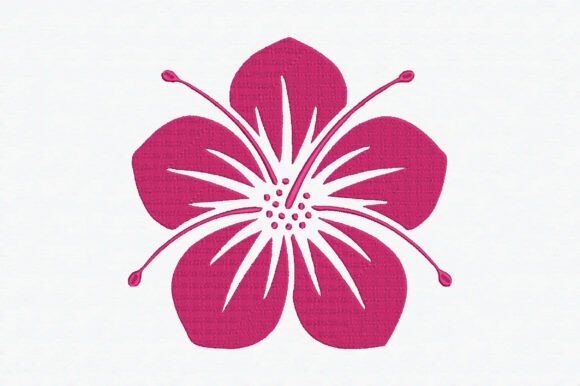
Hibiscus Hawaii Flower Embroidery Design Review
As an embroidery designer curating a seasonal collection, I am constantly searching for digital assets that bridge the gap between everyday wearability and special occasion appeal. When evaluating the Hibiscus Hawaii Flower Embroidery Design for my upcoming holiday and resort-wear product line, my primary focus is versatility. This machine embroidery design offers a distinct tropical aesthetic that, when applied correctly, can elevate standard inventory into premium seasonal offerings. For Etsy sellers and small business owners, adding this single flower motif to your catalog requires understanding both its emotional resonance and its technical performance on various substrates.
First Impressions: Tropical Elegance Meets Seasonal Warmth
My initial assessment of the Hibiscus Hawaii Flower Embroidery Design centers on its mood. Unlike generic floral patterns, this design captures a specific emotional tone that resonates with buyers seeking warmth during colder months or vibrancy for summer vacations. The bold petals suggest a modern yet nostalgic style, making it suitable for both contemporary apparel and traditional home decor. As a piece of seasonal embroidery, it avoids looking like a cheap souvenir; instead, it feels elegant and intentional.
For handmade gift makers, this emotional connection is vital. Customers are not just buying a flower; they are purchasing a feeling of relaxation, celebration, or island heritage. Whether intended for a winter escape vacation outfit or a bright accent in a cozy living room, the design’s decorative style commands attention without overwhelming the base fabric. It strikes a balance between playful and sophisticated, which is essential for maintaining brand consistency across diverse product categories.
Strategic Applications for Holiday and Resort Collections
In real-world selling situations, the Hibiscus Hawaii Flower Embroidery Design performs exceptionally well when matched with the right product type. I have identified several high-value applications for this embroidery file within a seasonal shop context:
- Sweatshirt Embroidery: Placing this design on the left chest or centered on a cream or sage green sweatshirt creates an immediate bestseller for resort gift shops and online boutiques. The contrast of a tropical bloom against heavy fleece evokes a "cozy vacation" vibe perfect for holiday travelers.
- Tote Bag Design: Canvas totes are staple items for craft fairs and beach destinations. This design provides excellent visual recognition from a distance, making it ideal for market displays where you need to catch a shopper's eye quickly.
- Kitchen Towel Embroidery: For hostess gifts or housewarming presents, stitching this hibiscus on linen tea towels adds a personalized gift element that mass-produced items cannot match. It transforms a utility item into a keepsake.
- Pillow Cover Accents: Home decor buyers often look for seasonal updates. A set of throw pillows featuring this floral design can refresh a living space for spring or add a pop of color to neutral winter interiors.
- Embroidered Patches: Creating standalone patches allows customers to customize their own denim jackets or caps, expanding your product reach without increasing inventory risk.
When creating printable mockups or social media previews, ensure the design is shown in context. A flat image of the embroidery file does not sell the dream; a photo of the finished product styled with sunglasses, seashells, or holiday wrapping paper drives engagement and conversion.
Technical Considerations and Fabric Compatibility
While the aesthetic appeal is high, professional execution depends on respecting the technical limitations of the Hibiscus Hawaii Flower Embroidery Design. Not every fabric texture or hoop size will yield commercial-grade results. As designers, we must be cautious in the following areas:
Navigating Stretchy and Textured Fabrics
Bold floral designs often contain satin stitches or dense fill areas. When applying this to stretchy garments like knit tops or lightweight jersey, proper stabilizer selection is non-negotiable. Without adequate support, the fabric may pucker, distorting the elegant petal shapes. Always test on a scrap of the exact garment material before running production batches. Similarly, thick terry cloth towels require a water-soluble topping to prevent the stitches from sinking into the pile, which would obscure the fine details of the hibiscus.
Size Limitations and Detail Integrity
Before resizing this digital embroidery file, verify the minimum recommended dimensions. Reducing a complex floral design too drastically can cause thread breaks or loss of definition. If you plan to use this for small items like baby bibs or ornament blanks, confirm that the stitch density remains balanced at smaller scales. Tiny lettering or intricate vein details in the petals may disappear if the hoop size is reduced beyond the digitizer’s safety parameters. Always check the included specifications for minimum and maximum sizes to maintain quality.
Thread Colors and Dark Fabrics
The vibrancy of this design relies heavily on thread color choices. On dark fabrics, consider using a white underlay or a specialized blackwork technique to make the colors pop. Metallic threads can add a festive holiday touch, but they require slower machine speeds and larger needles to prevent fraying. Test your thread colors on both light and dark backgrounds to ensure the contrast meets your shop’s quality standards.
Enhancing Buyer Emotion and Product Value
Incorporating the Hibiscus Hawaii Flower Embroidery Design into your lineup is about more than aesthetics; it is a strategic business decision that impacts perceived value. During holiday shopping periods, customers associate unique, nature-inspired designs with thoughtfulness and care. A generic snowflake might get lost in the noise, but a beautifully stitched hibiscus suggests a curated, personalized gift experience.
For Etsy sellers, this differentiation builds customer trust. When buyers see consistent, high-quality stitching on varied products—from aprons to table linens—they recognize your brand as a source of reliable craftsmanship. Furthermore, offering this design across multiple categories (apparel, home goods, accessories) increases the average order value. A customer who buys a sweatshirt may return for a matching tote bag if the visual language is cohesive.
Essential Designer Notes for Commercial Success
To ensure your seasonal collection succeeds, adhere to these practical guidelines when working with this embroidery file:
- Verify Licensing: Before listing any finished product for sale, confirm the commercial licensing terms associated with this specific design. Protect your business by ensuring you have the right to sell embroidered goods featuring this artwork.
- Conduct Wash Tests: Seasonal items like kitchen towels and sweatshirts face frequent laundering. Stitch a sample, wash it three times, and inspect for loose threads or shrinkage. Customer satisfaction depends on durability.
- Plan Color Palettes: Develop a signature color scheme for your shop. Instead of using random thread colors, create a "Sunset Collection" or "Ocean Breeze Palette" using this design. Consistency aids in visual branding and makes bundling products easier.
- Optimize Stabilizer Pairings: Keep a log of which stabilizers work best with this design on different fabrics. This saves time during reorders and ensures every personalized gift leaves your studio in perfect condition.
- Create Realistic Mockups: Avoid digital-only representations. Photograph the actual stitched design on the intended product. Buyers need to see how the thread sheen interacts with the fabric texture to feel confident in their purchase.
The Hibiscus Hawaii Flower Embroidery Design is a powerful asset for creators looking to infuse their seasonal collections with warmth and elegance. By combining artistic appreciation with technical diligence, you can transform this single flower motif into a cornerstone of your holiday and resort product offerings. Remember to always review the specific file details provided by the digitizer regarding stitch count and format compatibility to ensure seamless integration into your production workflow.