Monstera Plant Embroidery Design Review
First Impressions: Modern Botanical Appeal for Makers
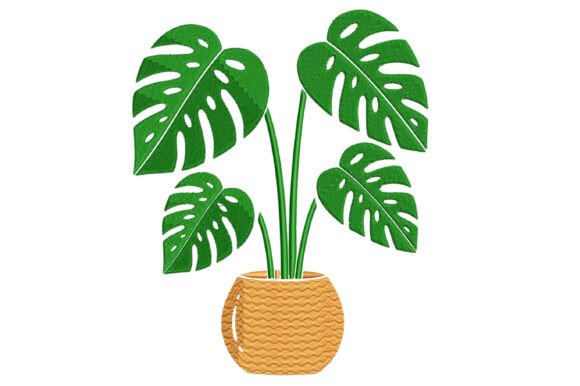
As an experienced embroidery designer preparing inventory for a busy weekend craft fair, my first priority is assessing whether a new machine embroidery design will actually stop customers in their tracks. When evaluating the Monstera Plant Embroidery Design, the immediate impression is one of modern, organic elegance. Unlike traditional floral motifs that can sometimes skew towards vintage or overly feminine, this design offers a fresh, gender-neutral aesthetic that aligns perfectly with current market trends. The description highlights lush green leaves, suggesting a bold visual impact that reads clearly from a distance—a critical factor for booth displays where you have only seconds to capture attention.
For Etsy sellers and boutique makers, this design bridges the gap between farmhouse rustic and contemporary minimalism. It does not feel cluttered or dated. Instead, it presents as a premium handmade product element that elevates basic blanks into desirable retail items. While categorized under Single Flowers, the monstera’s structural leaf pattern functions more like architectural greenery, making it versatile enough for customers who typically avoid traditional florals. This broad appeal is exactly what I look for when selecting design assets for commercial production.
Best Selling Applications for Craft Fair Inventory
Determining where to place this design is just as important as the stitching itself. Based on the tropical yet sophisticated nature of the Monstera Plant Embroidery Design, certain products will naturally outperform others at a market stall or in an online shop.
- Tote Bag Design: This is arguably the strongest application. Canvas tote bags serve as walking billboards at craft fairs. The large, open areas of canvas allow the lush green foliage to shine without competing with fabric texture. A monstera-centered tote appeals to plant lovers and eco-conscious shoppers alike.
- Tea Towel Embroidery: Kitchen linens are high-volume sellers. The monstera motif adds a touch of modern botany to functional goods. Because tea towels are often gifted, this design works beautifully as a standalone centerpiece or paired with simple text.
- Apron Embroidery: For gardeners and cooks, aprons are essential. Placing this design on the chest pocket area or lower hem creates a professional, custom look that justifies a higher price point than generic store-bought alternatives.
- Embroidered Patch: If you want to maximize profit margins, digitizing or resizing this design for patches allows for batch production. Patches can be sold as add-ons or applied to denim jackets and caps, expanding your product range without requiring large hoops.
- Pillow Covers and Home Decor: The organic shape of the monstera leaf complements neutral home decor palettes. This makes it a safe bet for customers decorating living spaces who want color without overwhelming patterns.
Production Practicality and Batch Efficiency
A beautiful design must also be practical to produce. When preparing for a craft fair, time is money. The Monstera Plant Embroidery Design appears to be structured for efficient commercial embroidery. Botanical designs with defined outlines and satin stitch edges generally run faster than complex photorealistic fills. This efficiency is vital when producing dozens of units for a weekend market.
From a sales perspective, this design photographs exceptionally well for printable mockups and online listings. The high contrast of green thread against white, cream, or natural linen backgrounds creates clean images that perform well in search results. Furthermore, the design is repeatable. Unlike novelty graphics that may only sell once per customer, botanical themes have evergreen appeal. You can confidently stitch this design across multiple colorways and product types, knowing it maintains brand consistency and buyer engagement throughout the season.
Critical Technical Considerations for Quality Results
Despite its versatility, every embroidery file has limitations that must be respected to ensure a premium finished product. As you integrate the Monstera Plant Embroidery Design into your workflow, pay close attention to these technical factors:
Fabric Texture and Stabilizer Choice
The "lush" quality mentioned in the description implies significant stitch density. On textured fabrics like terry cloth tea towels or waffle weave, the stitches can sink and lose definition. Always use a water-soluble topping to keep the leaf details crisp. For tote bags and canvas, a medium-weight cutaway stabilizer is non-negotiable to prevent puckering around the dense leaf veins. Never rely solely on tear-away backing for large botanical designs on stretchy or loosely woven materials.
Sizing and Detail Clarity
While this design likely scales well, be cautious when reducing it for small items like pouches or cap fronts. Intricate leaf fenestrations (the natural holes in monstera leaves) can become muddy if resized below a certain threshold. Always verify the minimum recommended size in your software. If creating an embroidered patch, ensure the border is wide enough to contain the design securely during cutting.
Thread Colors and Contrast
Green thread on green fabric is a common pitfall. To maintain visual appeal, ensure high contrast between your thread colors and the base material. Variegated greens can add depth but may obscure fine details; solid threads often read better for botanical accuracy. Test your specific thread palette before committing to a full production run.
Designer Notes for Successful Market Preparation
Before listing this item or packing your booth, follow this professional checklist to protect your reputation and profits:
- Test Stitch on Scrap Fabric: Never assume the digital preview matches reality. Run a test sew-out on the exact fabric you intend to sell. Check for registration issues between outline and fill stitches.
- Confirm Hoop Size Compatibility: Verify that the design fits comfortably within your machine’s maximum stitch area with adequate margin for hoop clearance. Crowding the hoop leads to tension issues.
- Create Real Mockups: Photograph at least one physical sample. Customers trust real photos over digital renders. Show the scale of the Monstera Plant Embroidery Design relative to the product.
- Review Commercial Licensing: Before selling any craft fair product or digital file, confirm the license terms included with your purchase. Ensure you have the right to sell finished goods featuring this specific artwork.
- Check File Integrity: Inspect the digital embroidery file for jump stitches or trims that could slow down production. Cleaning up the file beforehand saves hours of machine time during batch runs.
By treating the Monstera Plant Embroidery Design with professional scrutiny rather than casual experimentation, you transform a simple graphic into a reliable revenue stream. Whether you are stocking an Etsy shop or setting up a table at the local maker's market, this thoughtful approach ensures your handmade items stand out for their quality, style, and craftsmanship.