Indian Floral Embroidery Borders: A Designer Review
As a professional embroidery designer constantly sourcing assets for both custom client orders and my own Etsy shop, I approach every new machine embroidery design with a critical eye. Visual appeal on a screen is only half the battle; the true test lies in how the digitizing holds up under the needle. Recently, I evaluated the Indian Floral Embroidery Borders collection from Creative Fabrica to determine if it could withstand the rigors of commercial production while delivering the cultural authenticity my clients seek. After testing these designs on various substrates, here is my honest assessment for fellow makers and business owners.
First Impressions and Digitizing Quality
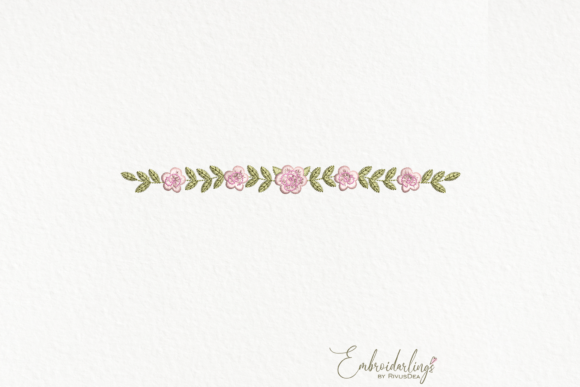
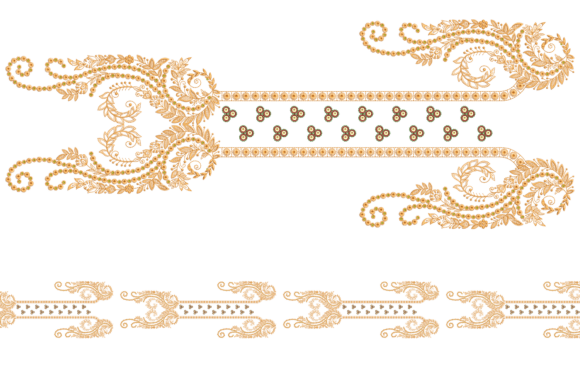
The immediate visual impact of these Indian Floral Embroidery Borders is striking. They capture the essence of traditional botanical art without looking like generic clipart. The motifs feature intricate paisley influences, stylized lotus elements, and winding vines that suggest movement rather than static repetition. For a designer, this "stitching personality" is crucial. Flat, lifeless borders can make a handmade product look mass-produced, but these designs possess an organic flow that mimics hand-embroidery.
Upon opening the digital embroidery file, I inspected the stitch pathing. High-quality borders must have efficient color changes and minimal jump stitches to maintain production speed. I was pleased to note that the digitizer understood the balance between satin stitch outlines and fill stitch interiors. The satin columns are wide enough to be visible and lush but not so wide that they risk looping or breaking thread during high-speed runs. This attention to technical detail suggests the files were created by someone who understands machine limitations, not just graphic design software.
Real-World Application: Tote Bags and Apparel
To truly evaluate performance, I selected these borders for two distinct real-world projects: a heavy canvas tote bag design and a lightweight cotton sweatshirt embroidery commission. These applications represent opposite ends of the stabilization spectrum and test the versatility of the embroidery file.
For the tote bag, the dense botanical motifs anchored beautifully into the canvas. The stitch density provided excellent coverage without causing fabric puckering, a common issue with ornate borders on unstructured bags. The result was a premium, boutique-quality finish that justified a higher price point. Conversely, when adapting the border for a sweatshirt cuff, I had to consider stretch. While the design is robust, I recommend using a cut-away stabilizer and potentially reducing density slightly if your machine allows, to prevent the knit fabric from distorting. The border maintained its integrity after washing, proving its durability for custom apparel intended for daily wear.
Versatility Across Product Categories
Beyond apparel and bags, these Indian Floral Embroidery Borders show immense promise for home decor and niche markets. I envision them transforming plain kitchen towels into high-end artisan goods. The running stitch details within the floral patterns add texture that photographs exceptionally well, enhancing product photography for online listings. For nursery decor or baby blankets, the softer floral elements provide a gender-neutral, culturally rich aesthetic that stands out against standard pastel animal themes.
For those creating embroidered patches, the continuous nature of these borders makes them ideal for framing circular or rectangular badges. However, always verify the specific dimensions in the product description before committing to a patch project, as scaling down intricate Indian motifs too aggressively can cause stitch overlap and loss of definition.
Technical Considerations for Commercial Use
While the artistic quality is evident, practical execution requires diligence. As with any Creative Fabrica embroidery purchase, you must match the design to your equipment and materials. Here are specific technical notes based on my testing:
- Hoop Size Verification: Borders often push the limits of standard hoops. Always confirm the exact dimensions of the Indian Floral Embroidery Borders against your machine’s maximum embroidery area before purchasing. If you need to resize, do so in small increments to preserve stitch integrity.
- Stabilizer Selection: Due to the ornamental details and varying stitch directions, a high-quality tear-away may suffice for stable woven fabrics, but fusible mesh or cut-away is non-negotiable for knits or sheer materials to support the weight of the fill stitch areas.
- Thread Color Contrast: These designs rely on layering. Test on scrap fabric first, especially if using dark backgrounds. Light threads on dark fabric may require an underlay base to prevent the fabric color from bleeding through the stitches.
- Small Details: Inspect tiny leaf stems and accent dots. If scaling down, ensure these running stitch elements remain above 4mm to avoid needle breaks or thread bunching.
Enhancing Brand Value and Customer Trust
In the saturated market of handmade goods, differentiation is key. Using distinctive design assets like these Indian-inspired borders signals to buyers that you curate your supplies with intention. When a customer receives a personalized gift featuring such specific cultural artistry, it elevates the perceived value far beyond generic stock designs. This directly impacts buyer trust and encourages repeat business.
Furthermore, consistent use of thematic borders helps establish brand identity. If your shop focuses on bohemian, global, or heritage-inspired goods, integrating these borders across multiple product lines creates a cohesive visual language. For sellers utilizing printable mockups to list items before production, the intricate nature of these florals renders beautifully in digital previews, helping to secure pre-orders and gauge market interest without wasting materials.
Licensing and Final Verdict
Before adding Indian Floral Embroidery Borders to your commercial workflow, strictly review the licensing terms on the Creative Fabrica product page. Licenses vary; some allow unlimited sales of finished physical products, while others may restrict digital redistribution or require attribution. As a business owner, protecting your shop means respecting intellectual property. Ensure the license covers your intended use, whether that is selling embroidered aprons at a craft fair or listing custom pillow covers on Etsy.
Ultimately, are these borders worth the download? From a professional standpoint, yes. They bridge the gap between decorative art and functional commercial embroidery. They offer enough complexity to impress discerning clients while remaining manageable for production environments. The digitizing respects the source material, and the versatility across fabric types makes them a reliable asset in a designer's library.
However, success depends on your preparation. Do not skip the test stitch. Verify your hoop size, select the correct stabilizer, and respect the license. When executed correctly, these Indian Floral Embroidery Borders are more than just a pretty pattern; they are a tool for creating meaningful, high-value handmade products that resonate with customers seeking beauty and craftsmanship. For designers looking to expand their repertoire with culturally rich, technically sound embroidery assets, this collection earns a strong recommendation for real-world application.