Floral and Fruit Patches: A Designer Review
As an embroidery designer who has digitized thousands of motifs and tested countless files for my own personalized gift shop, I approach every new machine embroidery design with a critical eye. When planning inventory for the upcoming season, I recently tested the Floral and Fruit Patches Embroidery File to see if it could withstand the rigors of commercial production while maintaining that coveted handmade charm. My goal was simple: determine if this specific design set could serve as a reliable staple for everything from nursery decor to wedding keepsakes without causing production headaches or customer returns.
First Impressions: Harvest Charm and Emotional Appeal
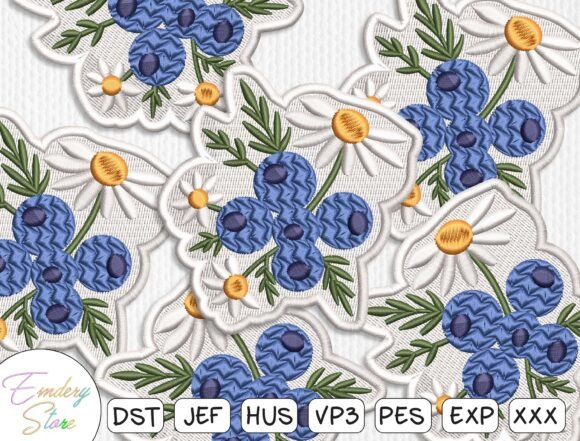
Upon loading the embroidery file into my software, the first thing that struck me was the immediate sense of harvest charm. The description promises clusters of ripe blueberries nestled among cheerful white daisies, and visually, the digital preview delivers on this nostalgia. For those of us creating personalized gift products, emotional resonance is just as important as technical precision. This design strikes a balance between playful and elegant. It does not feel overly juvenile, which makes it versatile enough for adult kitchenware, nor is it too formal, keeping it appropriate for children’s items.
The mood is undeniably sweet yet grounded. Unlike generic floral wreaths that can sometimes look stiff or dated, the combination of fruit and florals in this set feels organic and fresh. As a designer, I appreciate when a motif evokes a specific feeling—in this case, late summer abundance and cottagecore simplicity. This emotional hook is exactly what stops scrollers on Etsy and convinces them that a handmade product was stitched with intention rather than mass-produced on an assembly line.
Real-World Application: From Nursery to Wedding Registry
In my shop, versatility dictates profitability. I tested the Floral and Fruit Patches Embroidery File across three distinct product categories to gauge its marketability. First, I applied it to a cotton muslin swaddle for baby embroidery. The daisy elements provided a soft, gender-neutral aesthetic that appeals to modern parents moving away from stereotypical pink and blue themes. The fruit accents added a unique twist that differentiated it from standard nursery florals.
Next, I utilized the design for a linen pillow cover intended as a wedding gift. Here, the design performed beautifully as a subtle nod to rustic or garden-themed weddings. Because the berries add depth and color variation, the design holds its own against textured linens without looking lost. Finally, I tested it on a canvas tote bag for a craft fair preview. The bold colors of the blueberries ensured visibility from a distance, proving that this digital embroidery file translates well to functional, everyday items. For Etsy sellers and small business owners, this adaptability means one purchase can populate multiple listing categories, maximizing your return on investment.
Technical Considerations and Fabric Compatibility
However, no custom embroidery project is without its challenges. During my test runs, I identified specific scenarios where this Floral and Fruit Patches Embroidery File requires careful handling. While the design is robust, the intricate details of the daisy petals and the shading on the blueberries demand respect for fabric texture.
- Textured Towels: If you are stitching an embroidered towel, be wary of high-pile terry cloth. The fine details of the daisies can get swallowed by the loops. I recommend using a water-soluble topper and potentially simplifying the design or increasing the stitch density slightly if your software allows, though always check the original digitizer's notes first.
- Stretchy Baby Clothes: Knits are notoriously difficult for detailed botanical designs. Without adequate stabilization, the weight of the fruit clusters could distort the garment. Always use a cut-away stabilizer for stretchy fabrics to maintain the integrity of the shape after washing.
- Dark Fabrics: The white daisies rely on contrast. On dark navy or black fabric, ensure your underlay is sufficient to prevent the dark fabric from grinning through the white stitches. Conversely, on very light fabrics, ensure the blueberry shading has enough saturation to avoid looking washed out.
- Small Lettering Integration: If you plan to add personalization beneath these patches, verify the scale. The visual weight of the fruit and flowers is significant; tiny text underneath may look unbalanced. Test the spacing on scrap fabric before committing to a final finished product.
Elevating Perceived Value and Customer Trust
In the competitive landscape of commercial embroidery, perceived value drives pricing power. The Floral and Fruit Patches Embroidery File contributes significantly to this metric. High-quality digitizing is evident when stitches lay flat, coverage is even, and registration marks align perfectly. When a customer receives a blanket embroidery where the blueberries look plump and dimensional rather than flat and gappy, their trust in your brand solidifies.
Furthermore, this design enhances product photography. The vibrant blues and crisp whites photograph exceptionally well, creating natural focal points for listing images. For digital product sellers offering printable mockups or physical samples, the clarity of this design helps buyers visualize the end result. A sharp, colorful embroidered patch suggests quality craftsmanship, allowing you to command higher prices for your small shop product listings. It bridges the gap between digital convenience and tangible heirloom quality.
Essential Pre-Production Checklist for Makers
Before listing any item featuring this design or selling the file itself, professional due diligence is non-negotiable. Based on my testing workflow, I strongly advise fellow makers to follow these practical steps:
- Verify Specifications: The product description highlights the aesthetic but does not list exact stitch counts, formats, or hoop sizes. You must open the file in your software to confirm it fits your machine’s maximum hoop size and that you have the correct format for your equipment.
- Test Stitch on Scrap: Never stitch directly onto a customer’s expensive item first. Use a scrap of the exact fabric and stabilizer combination you intend to use. Check for puckering, thread breaks, or alignment issues.
- Thread Color Validation: Monitor charts vary wildly between brands. Physically compare your thread colors against the design chart. The "ripe blueberry" shade might need adjustment depending on whether you use Madeira, Robison-Anton, or Isacord threads to achieve the intended harvest vibe.
- Check Licensing: If you are an Etsy seller or run a custom shop, confirm the commercial licensing terms included with the Floral and Fruit Patches Embroidery File. Ensure you are legally permitted to sell finished goods or resell the digital file, as terms differ by designer.
- Wash Testing: For items like aprons or baby blankets that require frequent laundering, wash your test sample. Observe if the dense fruit clusters cause fabric distortion or if the white daisy threads bleed. This step prevents negative reviews regarding durability.
Ultimately, the Floral and Fruit Patches Embroidery File represents a strong contender for any embroiderer’s library. It offers the warmth and specificity that customers crave in personalized gifts while providing enough technical flexibility for various applications. By approaching this design with professional preparation and mindful fabric selection, you can transform a simple digital file into a cherished, high-value product that celebrates the art of handmade embroidery.