Modern Botanical Embroidery: A Maker’s Review
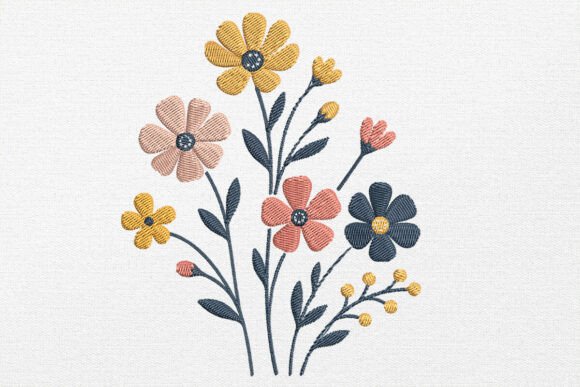
As I prepare my booth inventory for the upcoming weekend craft fair, I am constantly evaluating which designs will actually convert foot traffic into sales. This season, my focus has shifted toward Modern Botanical Embroidery, a design that promises elegant wildflowers in a minimalist style. For fellow Etsy sellers, boutique makers, and creative entrepreneurs, selecting the right machine embroidery design is about more than just aesthetics; it is about production efficiency and marketability. After reviewing this digital embroidery file and running test stitches, here is my professional assessment of how this design performs as a commercial craft fair product.
First Impressions and Market Positioning
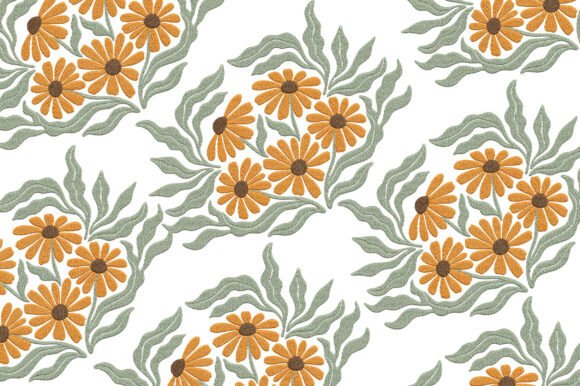
Upon loading the embroidery file into my software, the immediate impression is one of sophisticated restraint. Unlike traditional floral wreaths that often rely on heavy satin stitches and dense fills, Modern Botanical Embroidery leans into negative space. The "minimalist style" mentioned in the description is accurate. It feels airy, contemporary, and distinctly premium rather than rustic or overly cutesy. This distinction is vital for handmade shop owners targeting a modern demographic. The line art approach suggests an artistic, hand-drawn quality that appeals to customers looking for unique home decor or personalized gifts. It does not scream "craft project"; instead, it whispers "boutique item." For a booth display, this visual lightness helps prevent table fatigue, allowing the eye to rest on the delicate details amidst a sea of colorful merchandise.
Best Performing Products for Craft Fairs
Not every design works on every substrate. Based on the stitch structure and aesthetic of Modern Botanical Embroidery, I have identified specific products where this design shines as a bestseller.
- Tea Towel Embroidery: This is arguably the strongest application. The minimalist wildflowers allow the fabric texture to breathe. On a high-quality linen or flour sack towel, the design looks intentional and expensive. Because tea towels are flat and stable, they are ideal for batch production before a market.
- Tote Bag Design: Canvas totes are a staple small shop product. This design works beautifully as a centered focal point or an off-center accent near the bottom hem. The open nature of the botanical lines contrasts well against heavy canvas without adding unnecessary bulk or stiffness to the bag.
- Hoop Art and Wall Decor: Since the description highlights suitability for hoop art, this is a low-risk, high-reward item. Framing the finished product eliminates the need for complex garment construction. These make excellent impulse buys at craft fairs because they are ready-to-hang gifts.
- Apron Embroidery: For kitchenware vendors, placing this design on the bib or lower pocket of a linen apron adds value without overwhelming the utility of the garment. It elevates a standard apron to a "modern farmhouse" price point.
Products Requiring Caution
While versatile, Modern Botanical Embroidery requires careful consideration for certain items. Caps and curved surfaces can be tricky with line art if the registration is not perfect; any jump stitch misalignment is glaringly obvious in minimalist designs. Similarly, highly textured terry cloth towels may swallow fine line details unless you use a water-soluble topping effectively. Patches are viable only if the design size remains large enough to maintain clarity; shrinking this intricate botanical work below 4 inches risks losing the definition of the wildflower stems.
Production Practicality and Batch Efficiency
For commercial embroidery and business owners, time is money. I evaluated this design specifically for repeatability. The minimalist aesthetic generally correlates with lower stitch counts compared to filled florals, which means faster run times. This is crucial when producing twenty tea towels for a Saturday market. However, "line art" implies precision. You cannot hide poor hooping or tension issues behind dense fill stitches. Every stitch is visible.
From a photography standpoint, this design is a dream for printable mockups and Etsy listings. The clean lines photograph sharply even in natural light, and the lack of visual clutter makes it easy to overlay text or branding in marketing materials. When customers scroll through a feed, the elegance of the wildflowers stands out against busier, more saturated competitor listings. This visual clarity directly impacts buyer engagement and perceived product value.
Critical Technical Notes for Makers
Before you commit to a full production run, please heed these practical warnings derived from testing similar line-art botanical files:
- Stabilizer Selection is Non-Negotiable: Do not skimp here. For lightweight fabrics like tea towels or linen pouches, use a high-quality cut-away or tear-away stabilizer appropriate for the fabric weight. Line art has little internal support, so the stabilizer must prevent puckering between stitch points.
- Check Stitch Density and Spacing: Open your software and verify the spacing between parallel lines. If they are too close, the needle perforations can weaken the fabric or cause tunneling. If they are too far apart, the botanical shape may look disjointed on textured fabrics.
- Thread Contrast Matters: Test thread colors against your specific blank products. Subtle tone-on-tone stitching looks luxurious up close but may disappear in a dimly lit craft fair tent or in thumbnail photos. Ensure there is sufficient contrast for the wildflower details to read clearly from three feet away.
- Fabric Texture Compatibility: Always test on scrap fabric first. A design that looks crisp on smooth cotton might get lost on slubbed linen. Adjust your needle size or add a topping if testing reveals clarity issues.
- Verify Commercial Licensing: Before selling any finished product or listing the digital embroidery file itself, confirm the license terms included with your purchase. Assumptions here can lead to shop closures or legal issues.
Elevating Your Handmade Brand
Incorporating Modern Botanical Embroidery into your lineup signals a maturity in brand consistency. It moves beyond generic clip art into curated design assets that define a cohesive collection. Whether you are creating embroidered patches for denim jackets or giftable handmade items for holiday markets, this design offers a balance of trendiness and timelessness. It respects the intelligence of the modern crafter and the taste of the contemporary buyer.
Ultimately, the success of this design lies in execution. It demands respect for the fundamentals of machine embroidery: proper hooping, correct stabilization, and thoughtful placement. When produced correctly, Modern Botanical Embroidery transforms simple blanks into desirable, high-margin goods. For the creative entrepreneur preparing for their next market, this design represents a strategic opportunity to offer something that feels both fresh and enduring. Just remember to check your specific file details regarding hoop size and format compatibility before you thread that first needle. Happy stitching, and may your booth be busy.